
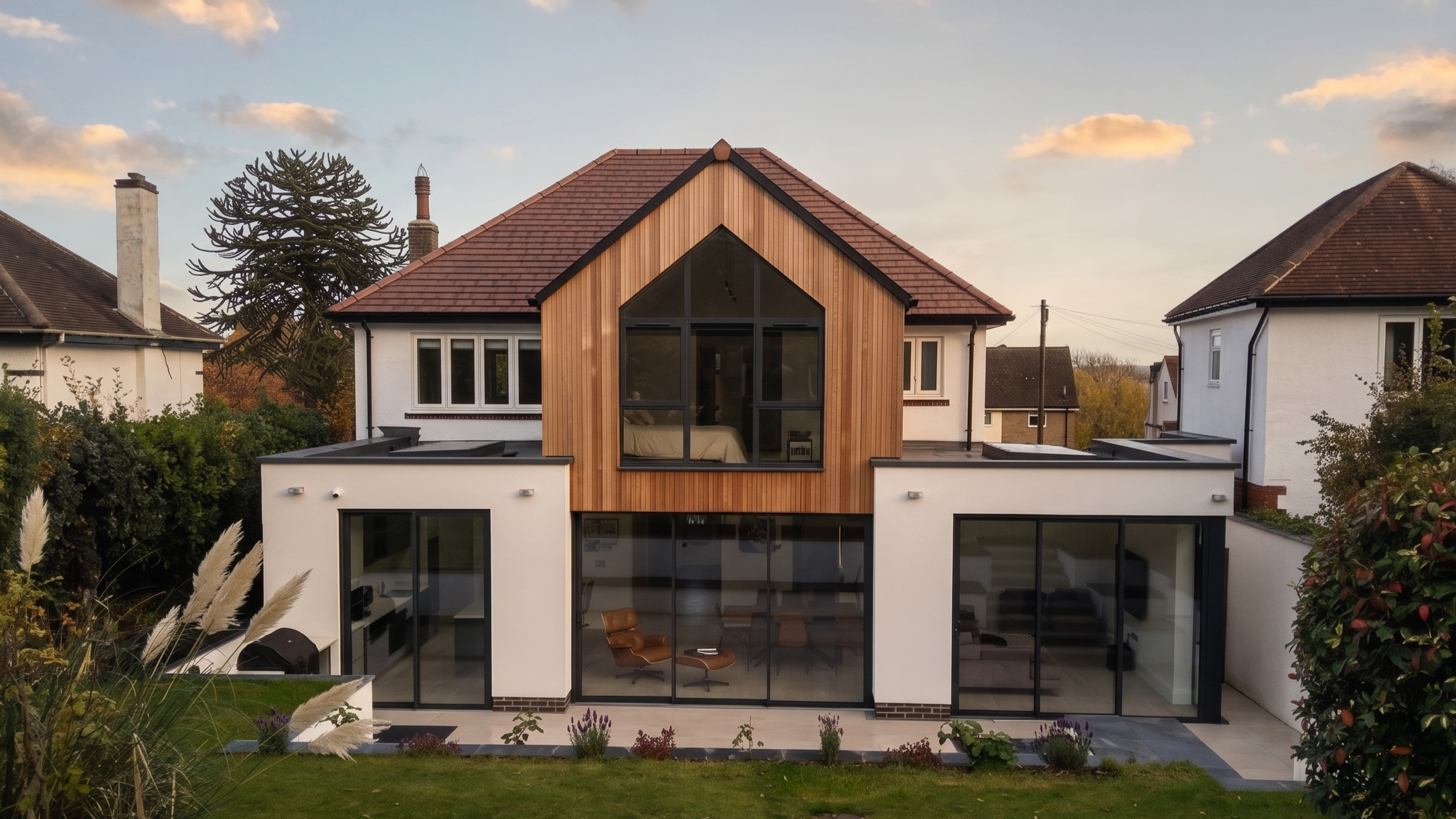
Two-Storey Extension & Renovation, Millhouses, Sheffield
How we turned a cold, cramped 1930s semi into a warm, open-plan family home.
Our clients bought this untouched 1930s semi-detached house in Millhouses with a clear vision to reconfigure it for long-term family living. Referred to MAD Architects LLP by a previous client, they approached us looking for an RIBA Chartered Practice and ARB-registered architect who could handle a complex site in Sheffield.
By replacing a freezing conservatory and drafty windows with a highly insulated two-storey house extension, we added 95sqm of living space. The updated layout features a 65sqm ground-floor open living area flowing onto a tiered patio and a private 30sqm first-floor suite, bridging the garden slope to bring the outdoors into the heart of the home, all completed within their target budget.
The project was designed and delivered by MAD Architects LLP, with structural engineering by White Structural Ltd. Working together from the earliest design stages, the team resolved the challenges of the steep garden slope and steel frame required to create a large open-plan family space.
Short on time?
🎧 Listen to a short podcast-style AI deep dive into how we solved this project's spatial and structural challenges.
| Project Detail | |
|---|---|
| Location | Dobcroft Road, Millhouses, Sheffield (S11) |
| Project Type | Two-Storey Extension & Retrofit |
| Planning Status | Sheffield City Council Approved |
| Architect | MAD Architects LLP |
| Structural Engineer | White Structures Ltd |
| Main Contractor | Hopedale Building Contractors |
| Key Challenges | Steep 1.1m garden slope, Open plan spaces |
| Key Materials | Larch Cladding, Silcone Render |
Before & After:
Two-Storey Extension and Renovation
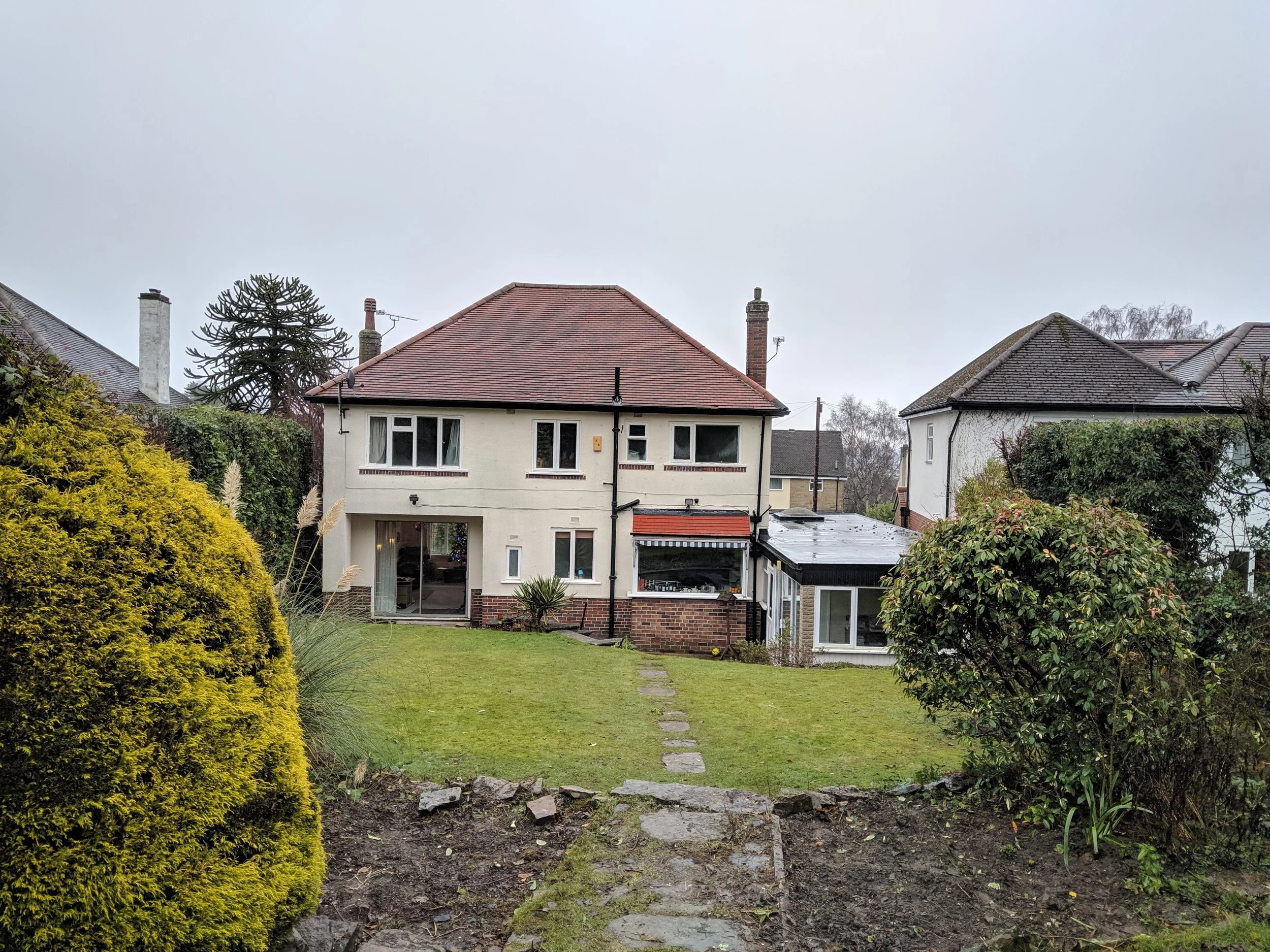
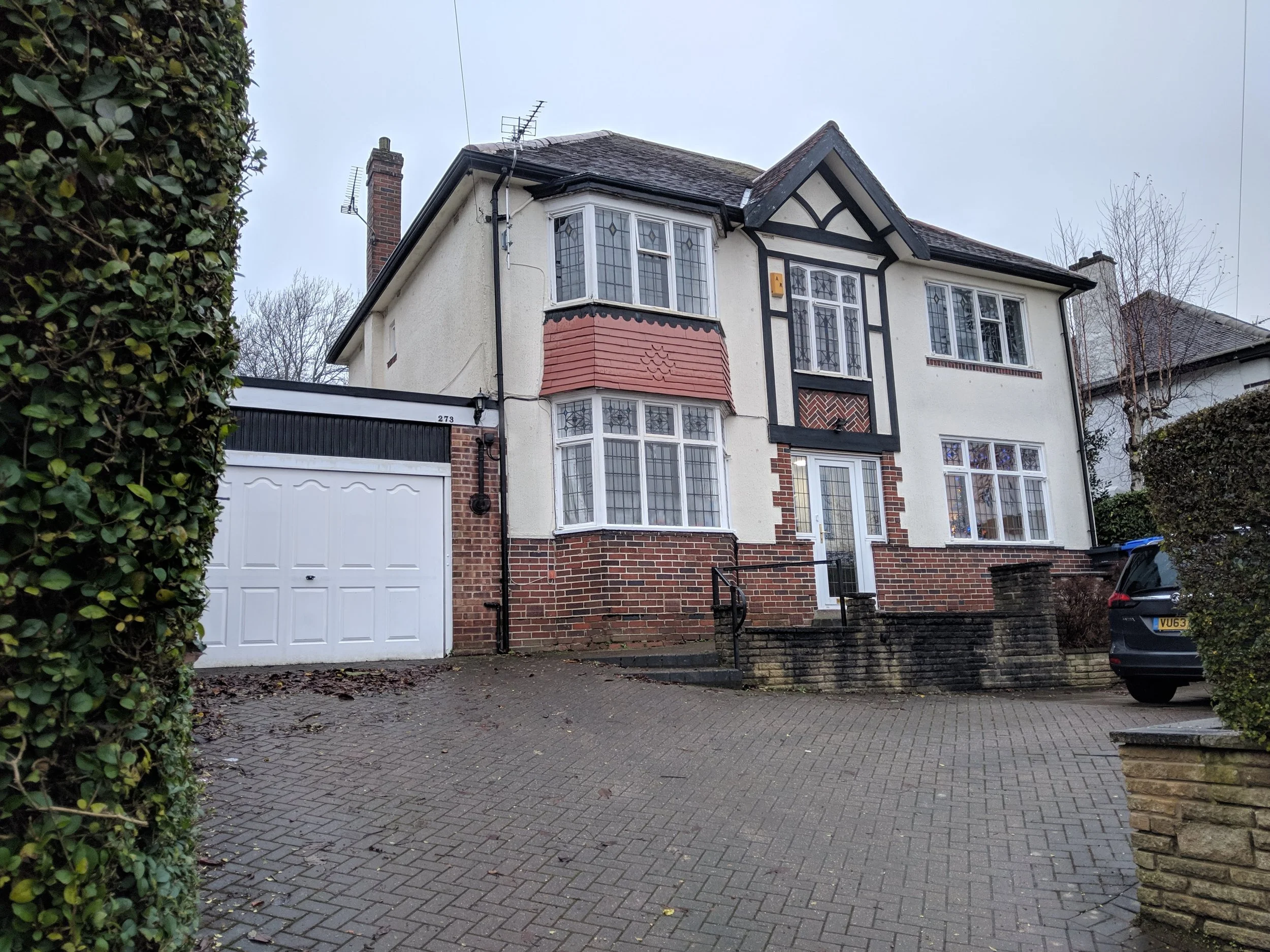
Before
A cold, drafty 1930s probate property with a highly segregated ground floor, a dark central hallway, and a freezing 1970s rear conservatory. The house was completely in its original, untouched state, acting as a structurally sound blank canvas.
After
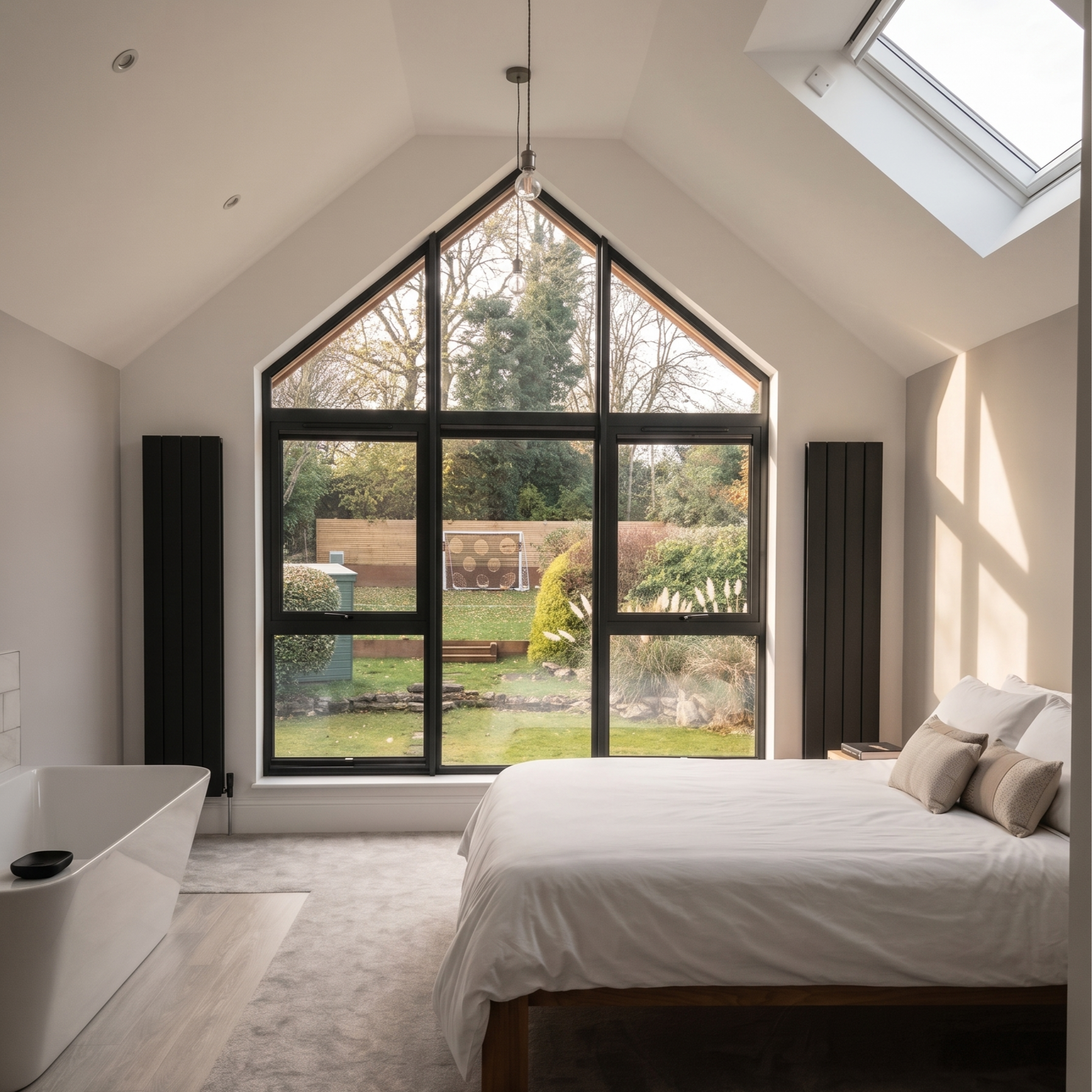
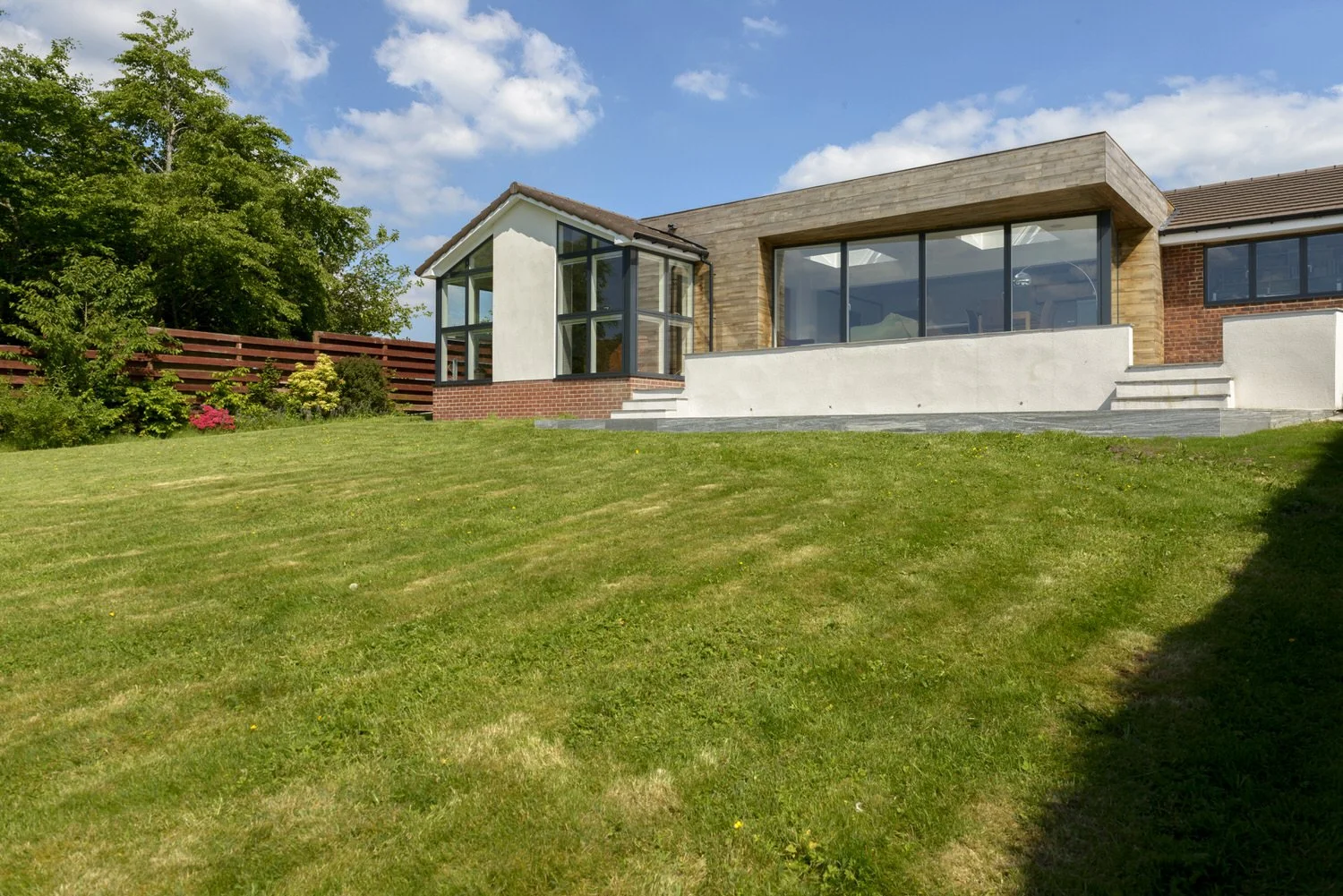
A warm, light-filled space featuring a continuous, 10.5-meter-wide open-plan kitchen and living zone, linked to a tiered outdoor terrace connecting the garden with the interior, a spectacular vaulted principal master bedroom suite and a formal living room configured as a media room with a wood-burning stove.
Thinking About a Similar Project?
We help homeowners across Sheffield transform drafty pre-war properties into bright, modern family homes, even on challenging sites affected by drainage easements, level changes, and steep garden slopes. Similar 1930s semi-detached houses can be found throughout Millhouses, Carter Knowle, Ecclesall, Fulwood and other south Sheffield suburbs, making many of the solutions developed for this project relevant to homes across the city.
This case study represents a clear blueprint for your project if you own:
A traditional 1930s or Edwardian semi-detached property in Millhouses, Carter Knowle, or the surrounding S11 and S10 suburbs
A home with a steep, sloping rear garden that blocks natural light and feels disconnected from your indoor living spaces
An outdated, freezing uPVC conservatory that you want to replace with a comfortable, highly insulated year-round room
A cellular layout where the front entrance hallway feels dark, narrow, and lacks practical storage for a busy family of five
A property where drainage lines or utility easements run close to your ideal footprint
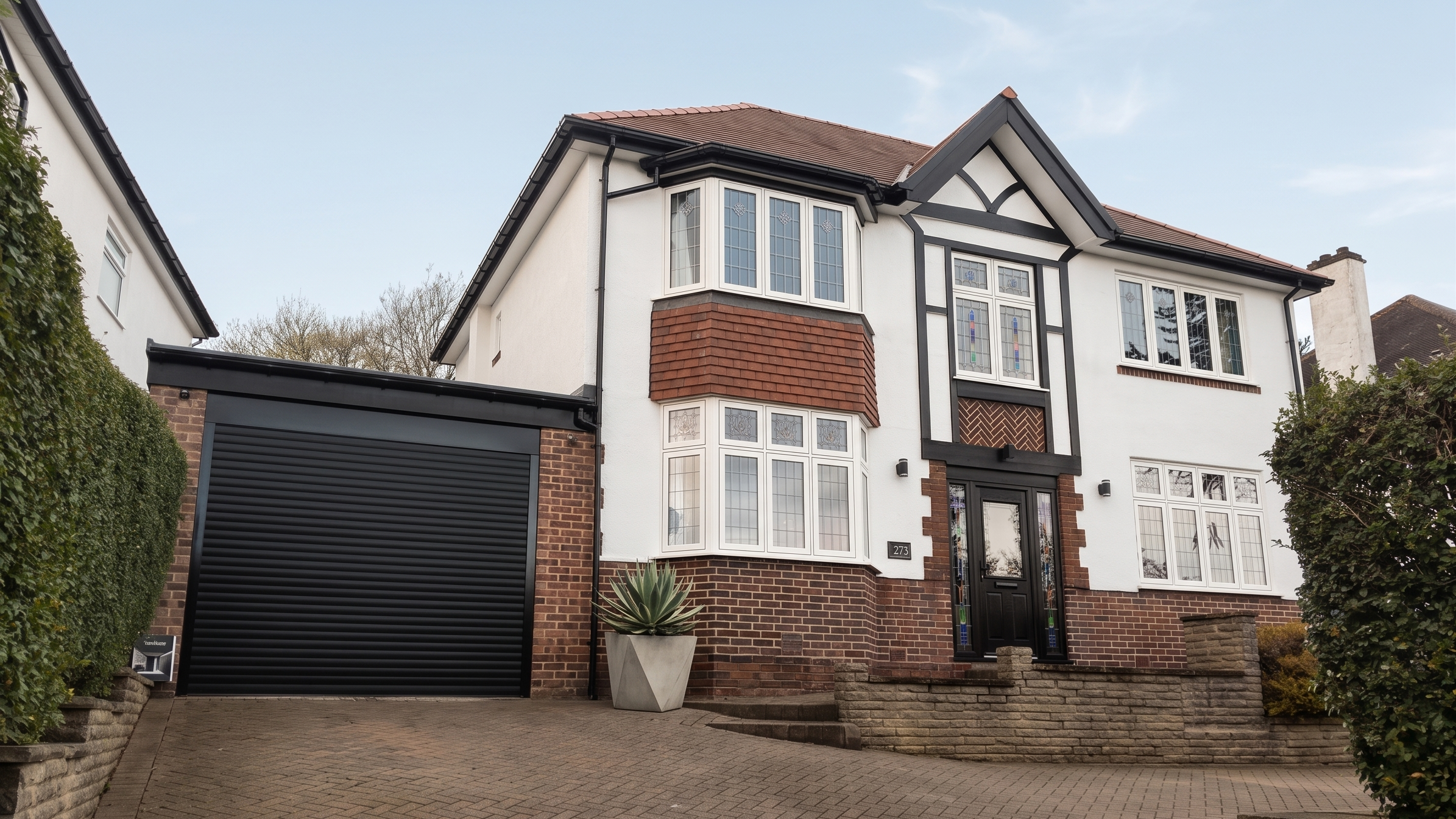
House Extension Design: Reconfiguring the Ground and First Floors
To appreciate the scale of this renovation, it helps to understand how we reorganized both levels to achieve a balanced family layout. We focused on resolving the physical connection between the existing pre-war house and the large double-height footprint extending into the garden slope.
Ground Floor Layout and Open-Plan Kitchen Extension
To create the space needed for a comfortable family home, we knew we would need a large rear extension, but the challenge was how to naturally integrate this with the existing house. The key move that unlocked the entire ground floor was "The Link" corridor.
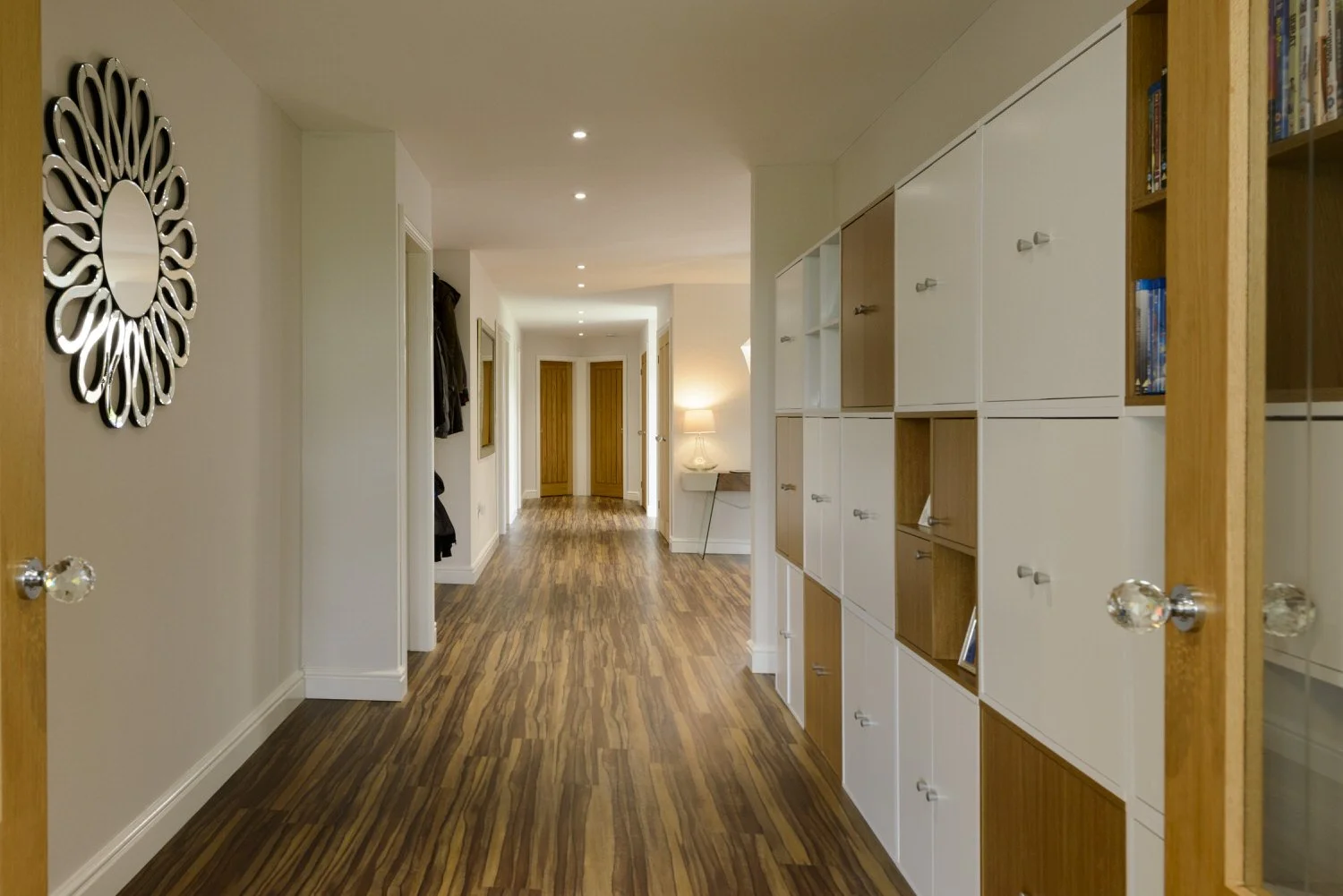
We replaced the original dark, enclosed hallway with a wide corridor that creates an uninterrupted line of sight straight from the entrance through to the rear garden steps, flooding the core of the house with daylight. To keep daily life organized, we lined this corridor with floor-to-ceiling, handleless storage cabinets that completely hide school coats, bags, and technology.
To make this bright, open layout work practically for three active children, we also designed a dedicated side entrance sequence on the left flank of the house running from a garage boot room through a laundry utility zone to a walk-in shower. This high-traffic corridor serves as an efficient barrier against mud and outdoor grit, isolating laundry chores and keeping the main living areas clean and quiet.
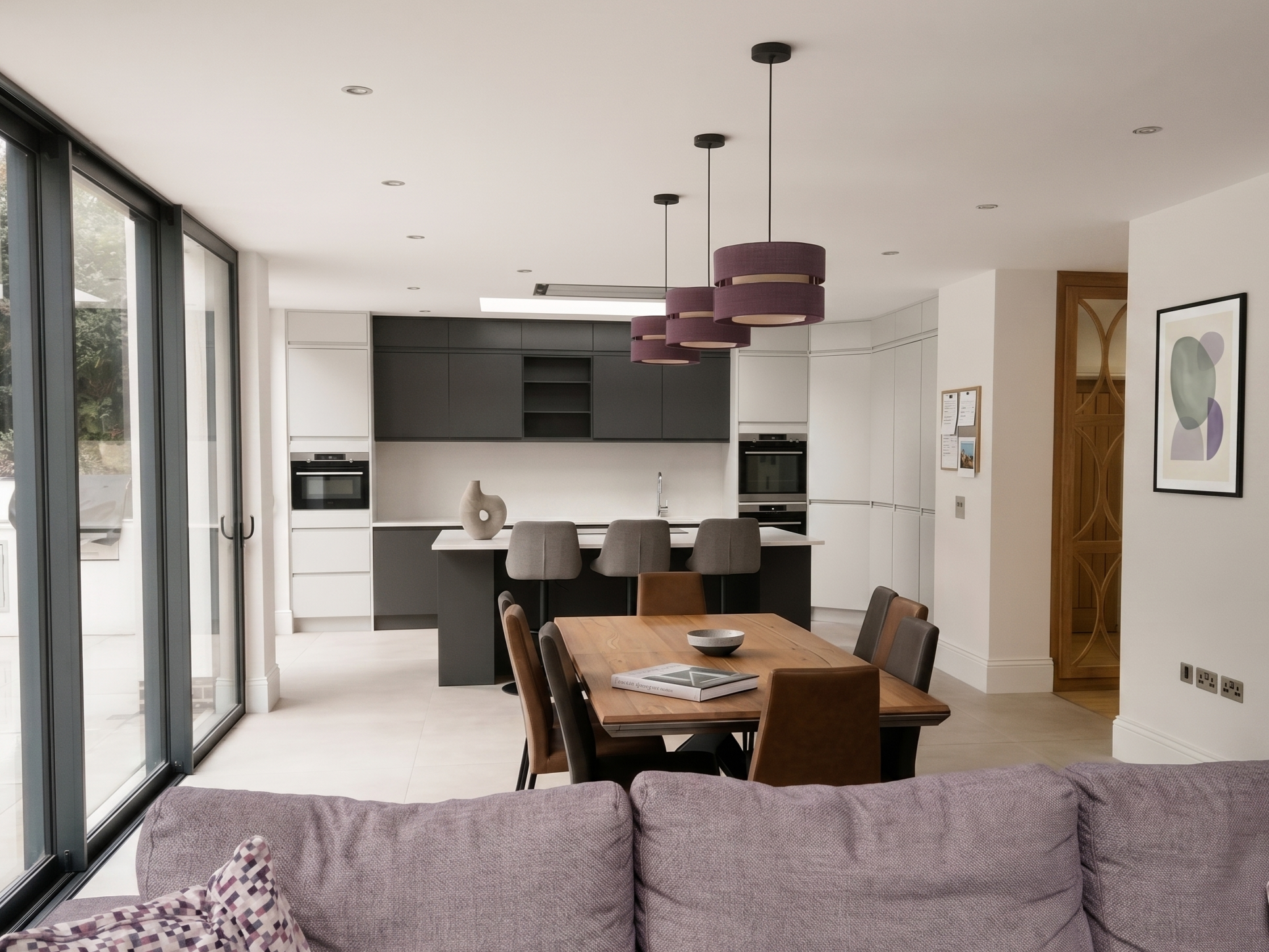
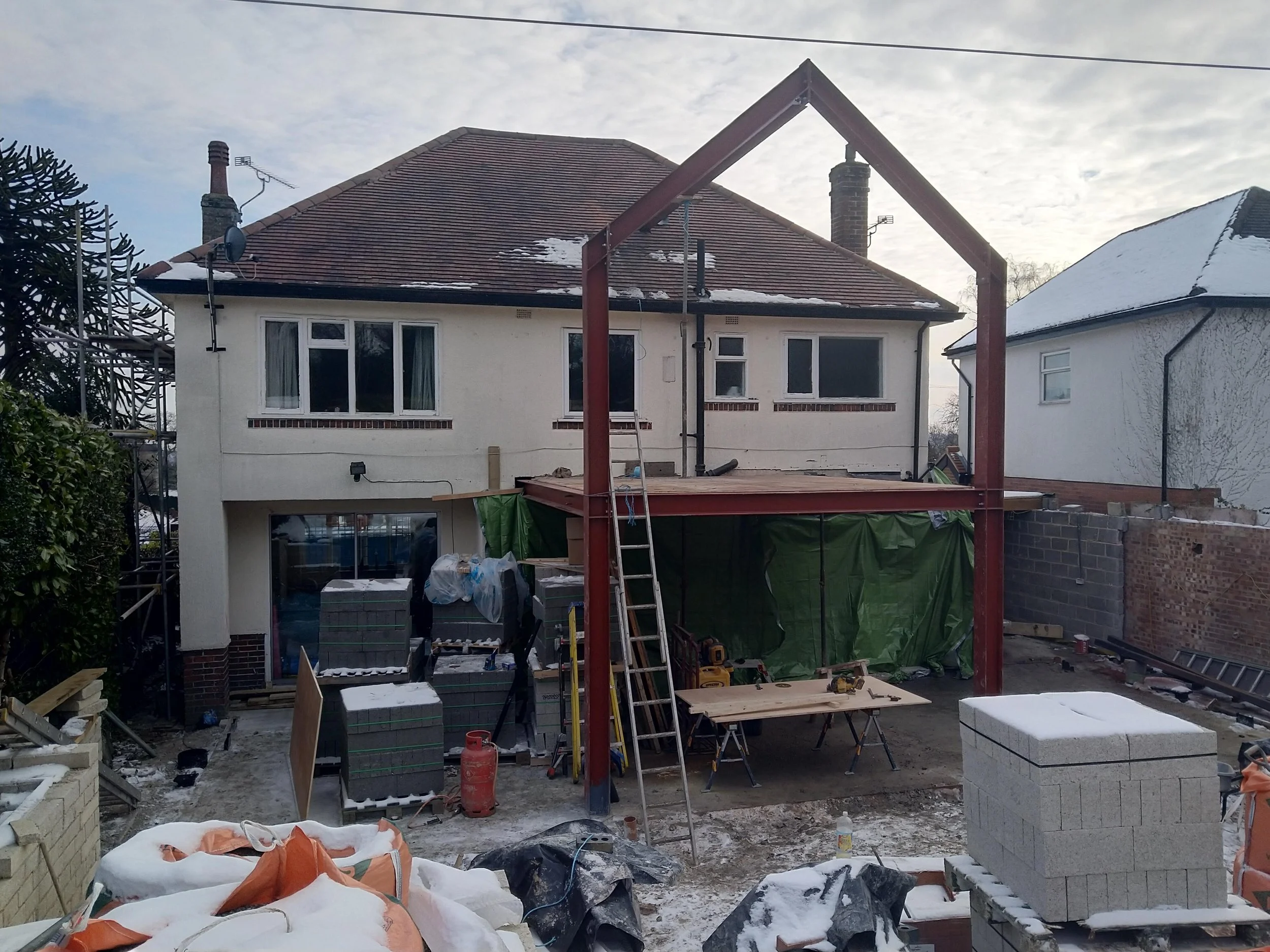
Across the rear of the house, we removed the old enclosed kitchen, separate dining room, and cold conservatory, replacing them with a single, continuous 10.5-metre-wide open-plan layout. To support this expansive space and the vaulted bedroom above, MAD Architects LLP worked closely with White Structural Ltd to develop a concealed steel support strategy that allowed the rear of the house to be opened up while supporting the new vaulted principal suite above. Rather than removing large sections of the original rear wall and introducing steelwork throughout the house, the structural interventions were concentrated into a small area, reducing disruption while still creating the open-plan layout the family wanted.
The original front room was redesigned as a versatile home office, study, and gym area, retaining its classic pre-war bay window. Next to it, we enhanced the main formal living room with a wood-burning stove and a drop-down projector screen, allowing the space to be instantly transformed into an intimate home cinema. Both spaces can be closed off with natural timber doors, giving the family quiet, private spaces to work, exercise, or watch a film.
First Floor Layout and Master Suite Design
To add a master bedroom suite, the initial thought was a highly disruptive loft conversion. Instead, building a two-storey rear extension allowed us to dedicate the entire existing first-floor footprint to the three children. All three kids were allocated generous double bedrooms with dedicated desk spaces for homework, supported by a reconfigured family bathroom.
To access the new master suite, we converted the original small rear bedroom into a landing transition corridor. As you walk down this central hallway, you pass a walk-in dressing room on your left and a private ensuite shower room on your right, before entering the main vaulted bedroom suite.
Material Finishes and Details
Inside, we selected finishes that feel tactile and warm. Large-format, neutral ceramic floor tiles run continuously over underfloor heating, flowing right through the bifold doors onto the level patio to blur the line between inside and out.
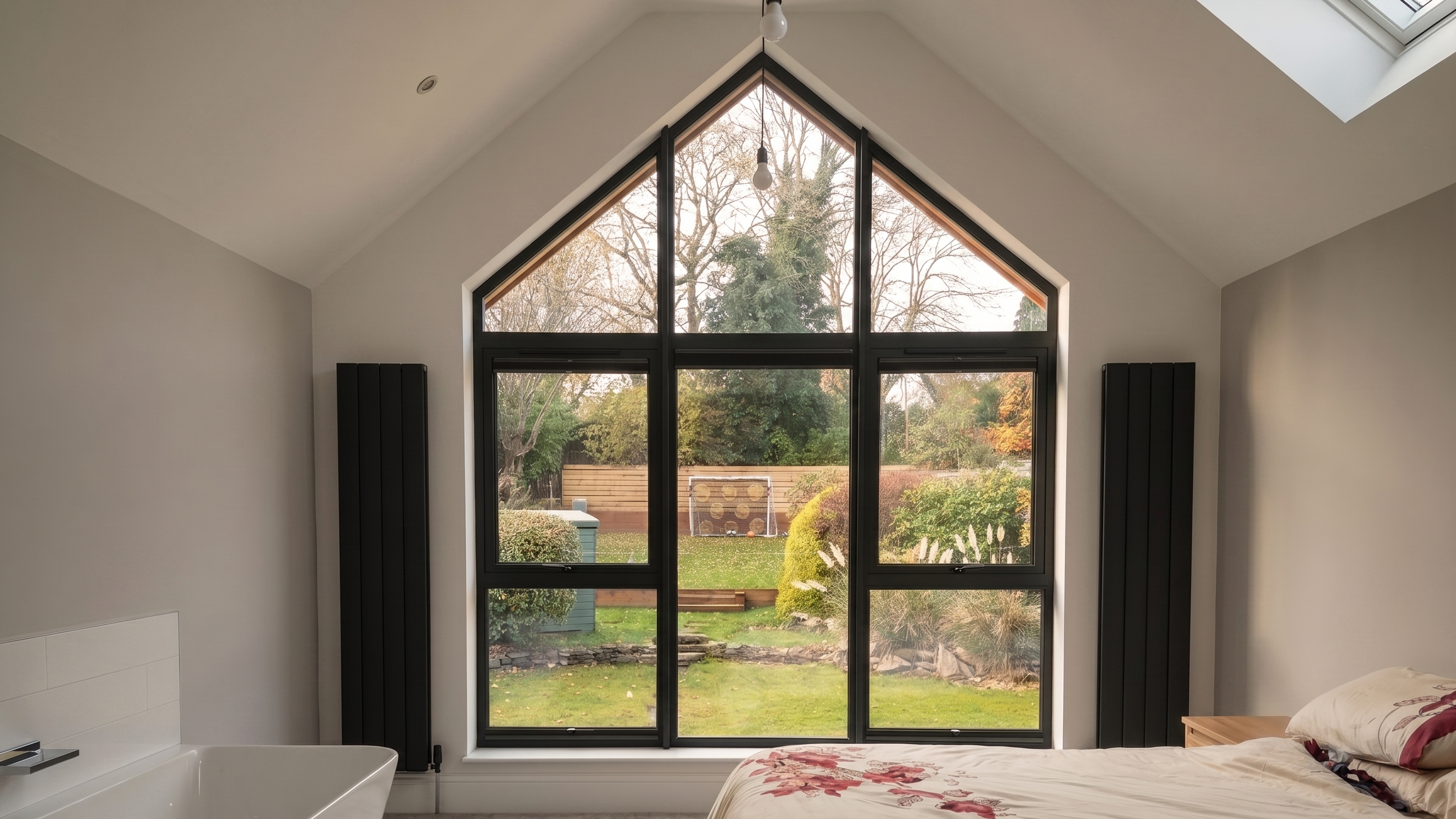
In the master bedroom, the freestanding roll-top bath sits openly within the space as a quiet, personal sanctuary. Positioned to take advantage of the vaulted ceiling, it adds a calm, tactile feature that integrates beautifully with the rest of the bedroom.
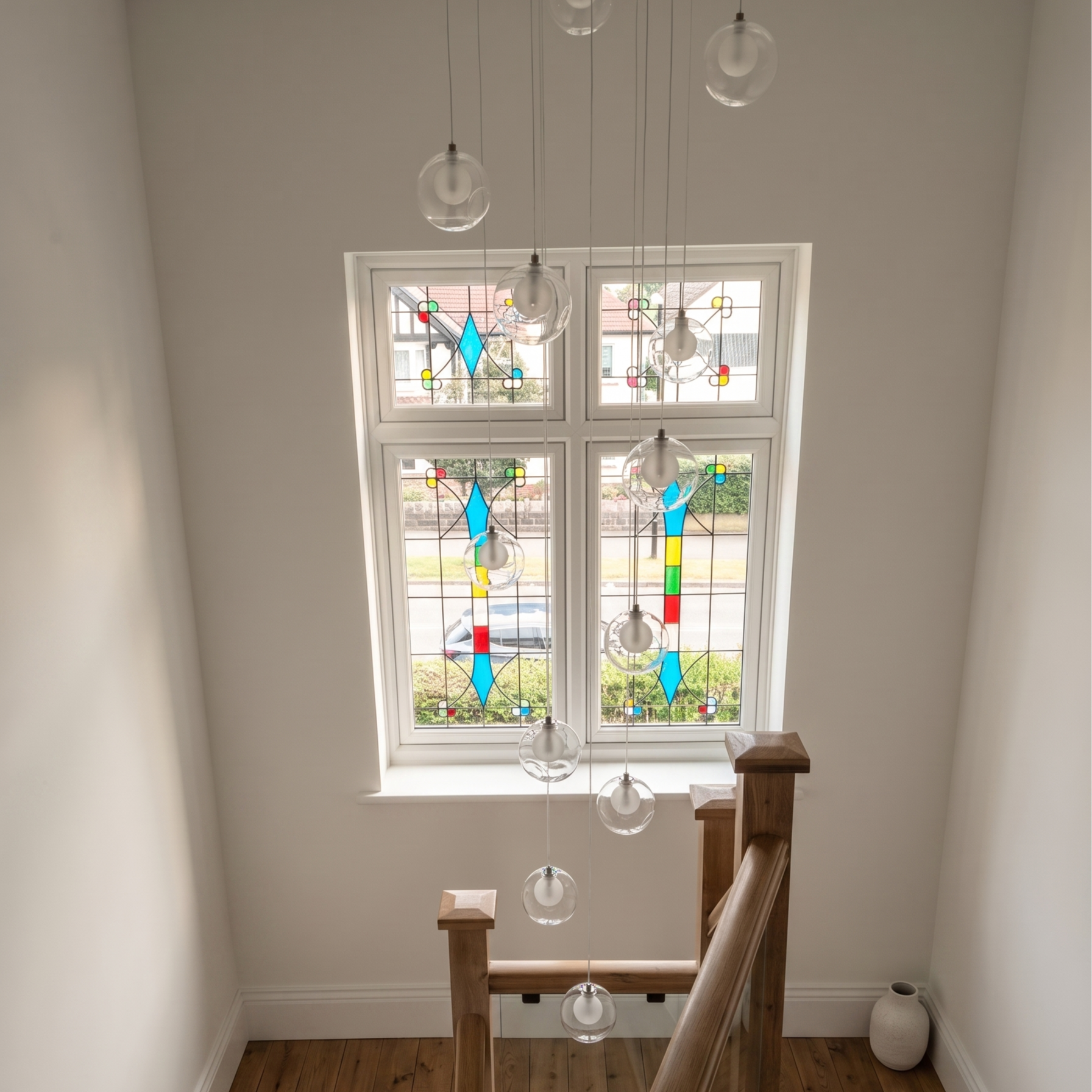

Natural Light Strategy:
Glazing and Skylights
Natural light was the central driver for the ground-floor architectural planning. To maximize daylight, we introduced full-height glazed doors extending across the rear of the kitchen, dining and family room. This extensive glazing creates a seamless transition to the tiered patio, drawing the garden directly into the daily living space.
To balance this lateral light, we paired the glazing with two flat-roof skylights set into the single-storey portion of the extension. Flanking the first-floor master suite, these rooflights drop a pool of morning light over the central kitchen island and warm afternoon light onto the family dining table, keeping the family spaces bright and responsive to the outdoor elements.
Thermal Performance:
Insulation and Glazing Comfort
Many homeowners worry that large glass doors and vaulted ceilings will feel cold and drafty in the winter, especially on exposed, hilly sites in Sheffield. To prevent this, we used a "fabric-first" approach, focusing on replacing the cold conservatory and outdated windows with an airtight, highly insulated structural envelope. Crucial to this process was the precise detailing of every structural junction to ensure the insulation wraps continuously around the new timber frame and steel supports. By maintaining this uninterrupted thermal barrier, we eliminated cold spots. This design prioritizes long-term comfort through high-performance building fabric rather than relying on expensive heating.
This structural shell keeps the home's temperature stable year-round. Even on a freezing January morning, the family can sit comfortably right next to the glass with no drafts.
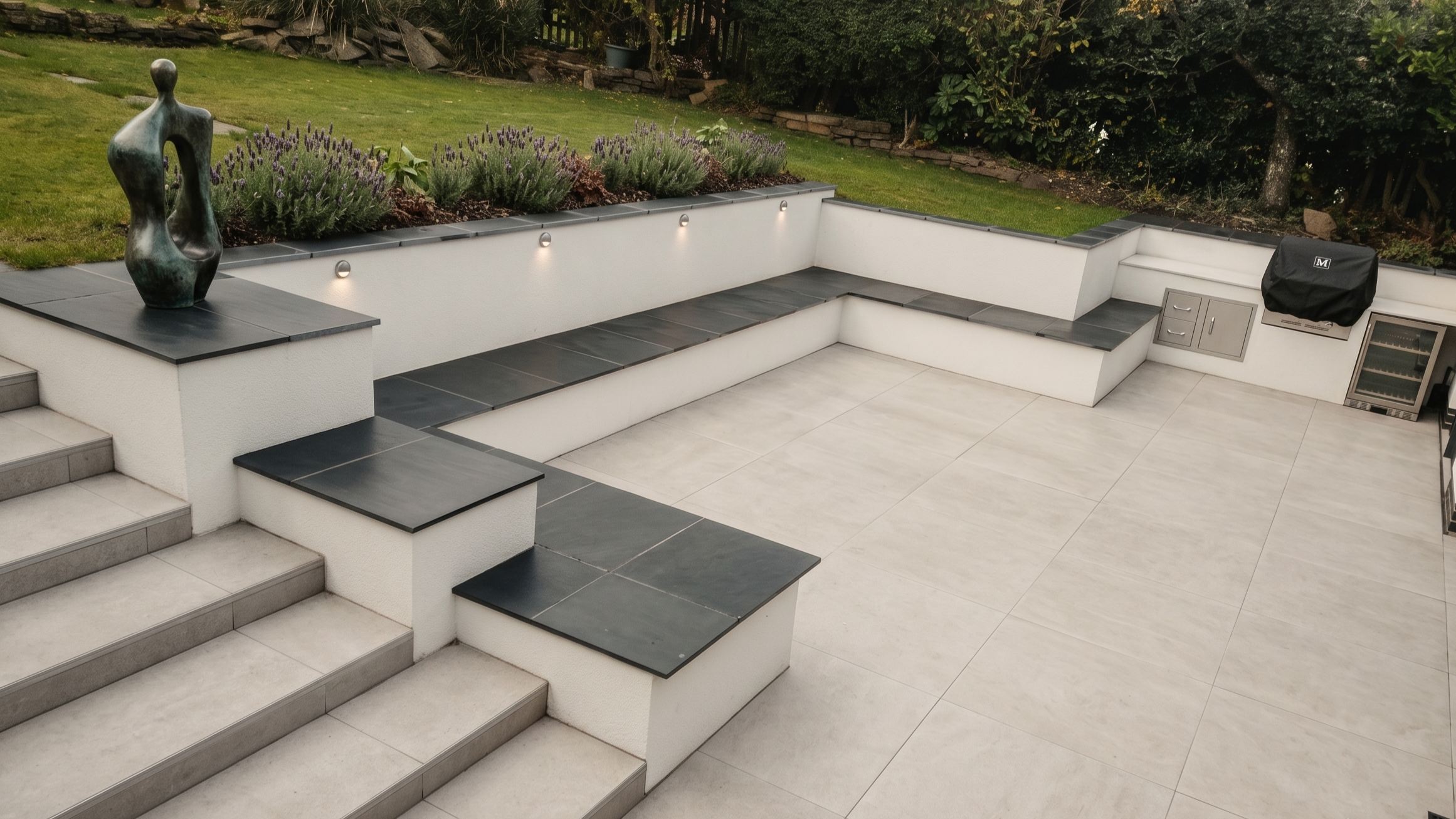
Split-Level Terrace From Sloping Garden
At Dobcroft Road, our main landscape challenge arose because as the new extension projected further into the garden, it met a rising slope, meaning there would be a direct one-meter level difference to resolve. Simply erecting a standard retaining wall would have boxed in the rear windows, making the kitchen feel dark, sunken, and disconnected from the outdoors.
Instead, we designed an integrated, split-level terrace. We handled the change in level with a U-shaped seating area crafted directly from the patio paving, creating a sheltered, sunken social courtyard. Steps flank the side of this seating, drawing the eye naturally up to the elevated lawn.
Before work started on site, the family could explore their future home in a 3D BIM model, helping them understand how the spaces would feel, how daylight would move through the extension, and how the layout would support everyday family life.
What Our Client Says
“We bought this house knowing we wanted to do it up completely, and the design has made daily routines so much smoother. The big, bright kitchen space is where we spend all of our time now, and having a family space where we can cook while keeping an eye on the kids in the garden is wonderful. The side entrance for muddy boots has also been an absolute lifesaver after wet weekend walks and muddy sports. Upstairs, the vaulted bedroom gives us a quiet space at the end of a busy day”
Start with a Conversation
Every great project begins with a conversation. If you are planning an extension, renovation, eco-retrofit, or new build in Sheffield, we would love to hear your ideas.
Complete our simple online form
Discovery Call:
We will arrange a complimentary 15-minute call to discuss your vision.Feasibility & Concept Session:
A dedicated workshop where we explore the full potential of your property, producing initial sketches and a clear project roadmap.

Project FAQs:
-
To build safely over an active public sewer, we design a concrete foundation system that bridges over the pipe. This spans the utility line completely and rests on deep foundations placed safely to the side, meaning the weight of the structure never presses on the pipe itself. This satisfies all safety guidelines and protects your home from structural movement.
-
When you replace brick walls with wide glass doors, you need a hidden steel frame to keep the structure rigid. Without this frame, wind pressures can cause the house to flex slightly, making your sliding doors stick or draft. The steel frame stays hidden inside the walls, absorbing these forces so your doors slide smoothly.
-
We resolve a sloping garden by lowering the patio next to the glass and adding skylights to bring light deep inside. By creating a sunken courtyard, we keep the ground close to the house low, while tiered steps lead to the lawn. Combined with rooflights, this layout floods your home with daylight without letting neighbours see in.
-
An architect-designed, high-performance two-storey extension in Sheffield typically costs between £2,200 and £3,000+ per square meter. Simple sites with straightforward ground conditions will sit closer to the lower end of the scale. More complex projects involving structural steel frames, sloping gardens, or building over sewers will naturally sit at the higher end of the range.
-
While some two-storey extensions can fall under permitted development rights, they are strictly limited. In practice, most two-storey extensions require full planning permission as they rarely satisfy the necessary development limits. Double-height extensions must follow strict local council guidelines regarding height, boundary distances, and light obstruction to neighbouring homes, meaning a formal application is typically required.
-
A major two-storey extension and full-house renovation typically takes between 6 to 9 months of building work on-site. The exact timeline depends heavily on early structural stages, such as digging foundations, setting up the steel frame, and getting official sign-offs from utility companies and building inspectors.